Fixing Moisture and Freeze-Thaw Cracks in Outdoor Fireplaces
You notice a thin crack running across the outdoor fireplace after a hard Wisconsin winter. Do not patch it quickly and hope for the best. First, stop water from entering, then repair the masonry before another freeze-thaw cycle widens the crack.
Moisture Creates Bigger Fireplace Problems
An outdoor fireplace takes a lot from Wisconsin weather. Rain and melting snow can enter openings in brick, block, stone, mortar joints, and other porous materials. When temperatures drop, trapped water freezes and expands. When it warms, it thaws and leaves room for more water to enter.
Right?
This repeated movement is called freeze-thaw damage. Over time, it can turn a small surface crack into loose masonry, chipped edges, or more serious damage.
Here, we’ll explain how moisture gets into outdoor fireplaces, how we inspect cracks, and what steps we take to repair them. We’ll also cover ways to reduce future water exposure.
Start with a Careful Crack Inspection
Look Beyond the Visible Line
We never judge a fireplace repair by the size of the crack alone. A narrow line may hide a larger problem beneath the surface.
We check for loose pieces, soft mortar, staining, efflorescence, chipped surfaces, and areas that sound hollow.
You must have seen that, right?
Remove the Moisture Source Before Repairing
Water Has to Go Somewhere
A repair has a better chance of lasting when you address the moisture source first. Depending on the fireplace, that can mean correcting drainage, improving a cap, repairing open mortar joints, or replacing badly damaged sections.
Do not ignore this.
If water keeps entering the same area, a fresh patch can crack again when winter returns. We inspect the whole feature instead of treating one crack in isolation.
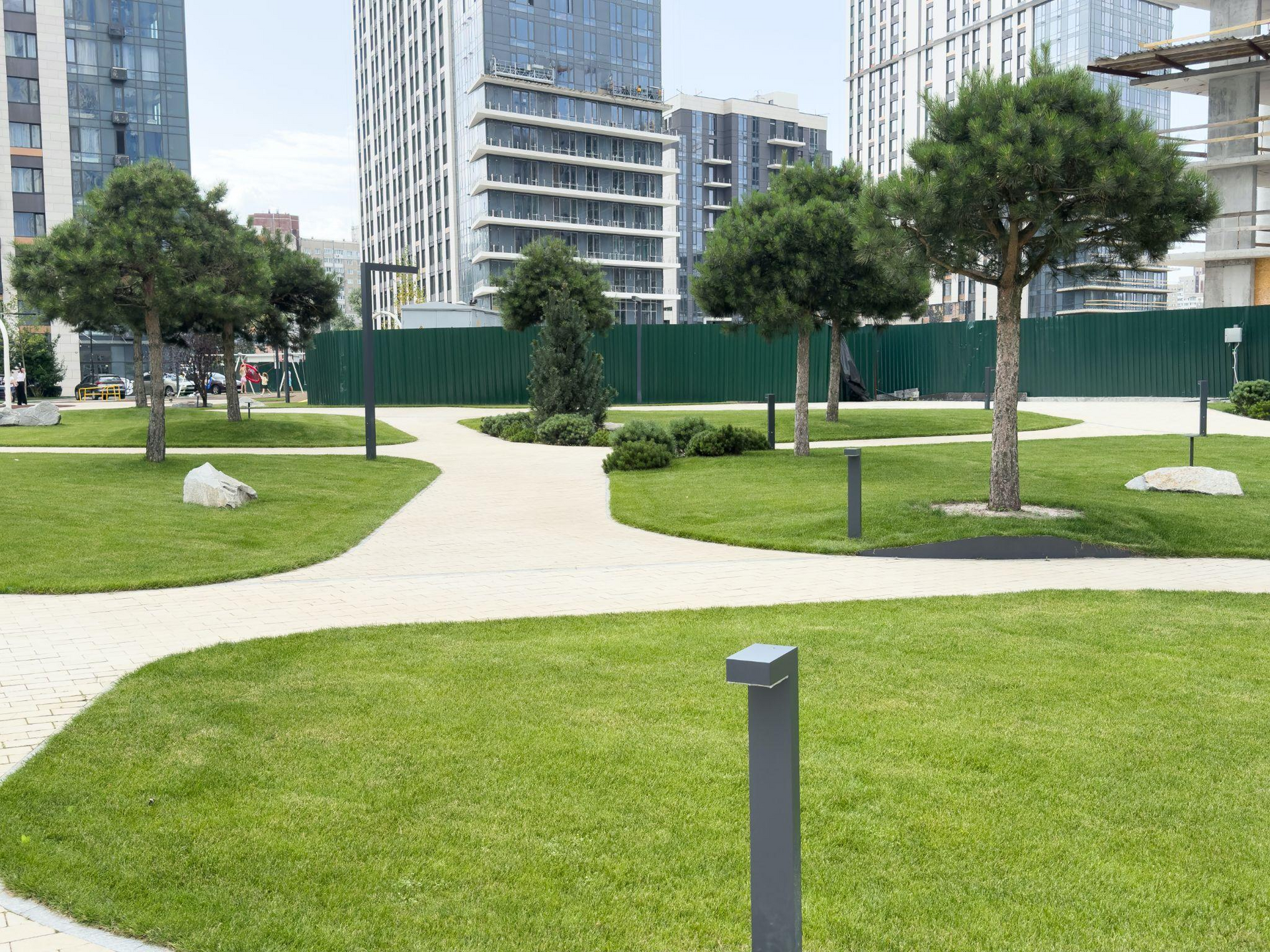
A landscape contractor in Wausau can also help when surrounding grading sends water toward the fireplace. Keeping surface water away can make a real difference.
Repairing Cracks the Right Way
Match the Repair to the Damage
Small mortar cracks may need cleaning, preparation, and repointing with compatible masonry material. Larger cracks may require removing unstable material and rebuilding part of the affected area.
A practical repair process usually includes:
- Cleaning the damaged area and removing loose material.
- Identifying how moisture is entering the fireplace.
- Repairing open joints, damaged masonry, or affected sections.
- Allowing repair materials to cure properly.
- Checking the repaired area before regular use.
This is more important than most people realize.
Using a repair material that doesn’t suit the existing masonry can create another problem. Different materials respond differently to temperature and moisture, so compatibility matters.
Prepare Your Fireplace for Wisconsin Winters
Small Maintenance Steps Matter
After repairs, monitor the fireplace throughout the year. Look for new cracks after winter and watch for water staining after heavy rain.
Keep the top surface clear of leaves and debris. Make sure nearby soil and hardscape direct water away from, not toward, the fireplace. If you notice a new opening, deal with it early.
Prevention is easier when you catch moisture problems before several freeze-thaw cycles work on the masonry.
Keep Your Outdoor Fireplace Strong for More Seasons
A well-built outdoor fireplace gives your family a comfortable place to gather on cool evenings, and proper care helps protect it from Wisconsin weather. When moisture enters cracks and freezes, damage can spread quietly. Careful inspection, drainage correction, compatible repairs, and seasonal maintenance can help stop the cycle.
If your fireplace has cracked masonry or signs of moisture damage, Promethean Artisans can inspect the feature and recommend the right repair approach. Our experience with outdoor fireplaces, fire pits, hardscaping, and fireplace installation in Wausau helps us maintain outdoor spaces ready for Wisconsin seasons.
Start with the water problem, repair the damage properly, and give your outdoor fireplace the care it needs before the next freeze arrives.